


WSG is a popular text abbreviation that stands for “What’s good?” It is commonly used in casual chats, social media messages, and texting as a friendly way to ask someone how they are doing or what is happening. People often use it instead of saying “What’s up?” or “How are you?” because it feels short, modern, and relaxed. The term is especially common among younger users and online communities.
The phrase became popular through internet culture, texting trends, and hip-hop slang, where quick and catchy expressions spread fast. For example, someone might message a friend saying, “WSG bro?” to start a conversation. It is best used in informal settings with friends or people you know well. Understanding WSG can help you keep up with modern texting language and online communication styles.
What Does WSG Mean?
WSG is a casual slang abbreviation that stands for “What’s Good?” It is commonly used in everyday digital conversations, especially among younger generations. People use it as a friendly greeting to check in on someone, similar to asking “What’s up?” or “How are you doing?”
The phrase carries a relaxed, informal tone and is mostly seen in text messages, social media comments, and direct messages. It can also be used to ask what’s happening in a situation, not just with a person. Overall, WSG is a versatile, low-effort way to start a conversation or show interest in someone.
Easy Examples of WSG
Using WSG in a sentence is pretty straightforward once you understand its meaning. For example, you might text a friend “WSG tonight?” to ask if they want to hang out or know what plans are coming up.
Someone might comment “WSG bro” under a friend’s post just to say hello and check in casually. You could also say “WSG with the drama?” when you want to know what’s going on in a confusing situation.
It fits naturally into both personal conversations and group chats without sounding too formal or out of place. The more you see it used in context, the more natural it feels to use yourself.
Short Dialogue Examples with Explanation
Example 1 — Alex: “WSG?” / Jordan: “Nothing much, just chilling. You?” — Here, WSG is used as a simple greeting between friends.
Example 2 — Sam: “You good? WSG with you lately?” / Taylor: “Been super busy with work, honestly.” — In this case, WSG digs a little deeper to check on someone’s wellbeing.
Example 3 — “WSG with the team tonight, are we still meeting?” — This use of WSG is more situational, asking for updates rather than checking on a person. Each example shows that WSG can shift slightly in meaning depending on tone and context.
Origin and History of WSG
WSG grew out of African American Vernacular English (AAVE), where “What’s good?” has been a common greeting for decades. The phrase became widely popular in hip-hop culture and urban communities in the United States during the late 1990s and early 2000s.
As texting and social media grew, people naturally started abbreviating it to WSG to save time and keep conversations moving quickly. Platforms like Twitter, Instagram, and TikTok helped spread slang like this to a global audience of young users.
By the 2010s and into the 2020s, WSG had become a staple of internet slang recognized across many different communities. Like most slang terms, its spread was organic, driven by culture, music, and the way young people communicate online.
Why Do People Use WSG?
People use WSG because it’s one of the quickest ways to check in on someone without making things too formal or serious. Instead of typing out a full message like “what’s going on with you lately,” WSG keeps things short, casual, and easy to respond to.
It fits perfectly into the fast-moving world of texting and social media where nobody wants to write an essay just to start a conversation. The slang feels natural among younger generations who grew up communicating in abbreviations and shorthand.
It also works as a friendly nudge when you haven’t talked to someone in a while and want to reconnect without any awkwardness. Basically, WSG saves time while still keeping that personal, conversational tone alive.
Personality Traits of People Who Use WSG
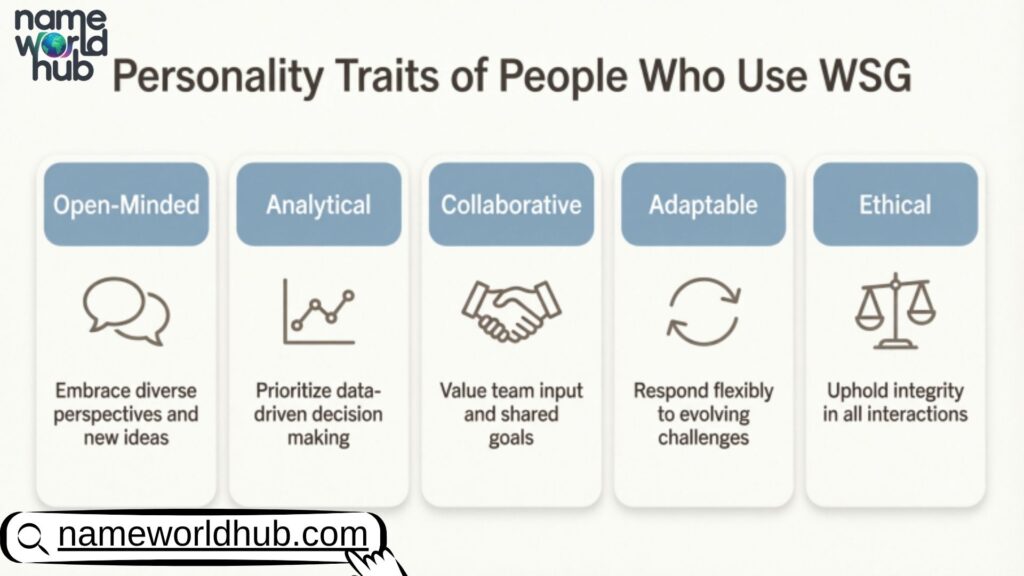
People who regularly use WSG tend to be social, laid-back, and comfortable keeping things informal in their everyday conversations. They usually enjoy staying connected with friends and don’t feel the need to overthink how they word a simple message.
These are the kind of people who value quick, real communication over polished or proper language, especially in casual settings. They’re often digitally fluent, meaning they grew up around texting culture and naturally absorbed the shorthand that comes with it.
You’ll also notice they tend to be outgoing and genuinely curious about what’s going on in the lives of the people around them. Using WSG is just one small sign of a friendly, approachable personality that prefers keeping the energy light and easy.
Where Is WSG Used?
WSG shows up most often in text messages between friends, where conversations are relaxed and there are no rules about proper grammar or spelling. It’s also widely used on platforms like Instagram and Snapchat, especially in DMs where people slide into each other’s inboxes with a casual opener.
You’ll find it in Twitter replies and comment sections when someone wants to playfully call out a friend or react to something funny they posted. Group chats are another major home for WSG, where it’s used to kick off conversations or get the group talking after things have gone quiet.
It’s less common in professional settings, since the tone is clearly informal and wouldn’t fit an email or work message. In short, WSG lives wherever the conversation is relaxed, personal, and between people who are already comfortable with each other.
When Should You Use WSG?
WSG works best when you’re reaching out to a close friend or someone you already have a casual relationship with, and you just want to spark a conversation naturally. It’s a great opener when you haven’t talked to someone in a few days and want to check in without making it feel like a big deal.
You can also use it when someone posts something vague or interesting on social media and you want to playfully ask what’s going on in their life. It fits perfectly in group chats when things have gone quiet and you want to get everyone talking again without sending a formal message.
However, you should avoid using it in professional or formal settings, since it can come across as too casual or even unprofessional to people who aren’t familiar with the slang. Stick to using WSG in spaces where the vibe is already relaxed, friendly, and informal.
Modern Usage of WSG in 2026
WSG is one of those short abbreviations that has genuinely stuck around in everyday digital conversation. In 2026, you will commonly see it used in text messages, Instagram DMs, Snapchat chats, and even TikTok comment sections.
It started as a quick, casual way to check in on someone without typing out a full sentence. Young people especially use it as a conversation starter when they want to catch up but do not want to sound too formal.
It works perfectly in fast-paced chats where nobody wants to type long messages. Think of it as the modern version of walking up to a friend and saying “hey, what’s going on with you?”
Different Meanings Based on Context
While WSG most commonly stands for “What’s Good,” the meaning can shift slightly depending on how and where it is used. Between close friends, it usually means “hey, how are you doing” or “what are you up to right now.” In some situations, people use it to ask if everything is okay, almost like saying “is something wrong” when they sense a problem.
On business or networking platforms, a small number of people use WSG to mean “With Special Guest,” especially when promoting events or podcasts. In gaming communities, it can sometimes pop up as a way of asking “what’s going on” in a match or lobby.
So reading the context around the word is always the smartest way to understand exactly what someone means.
Real Life Examples with Explanation
Imagine your friend texts you out of nowhere saying “wsg bro” — they are simply checking in and asking what you are up to. Another example would be someone replying to your Instagram story with “wsg” which means they saw your post and want to start a conversation about it.
If a person messages “wsg, you good?” after you posted something emotional, they are using it as a caring check-in to see if you are alright. A group chat message like “wsg tonight, everyone free?” is asking what the plan is and whether people are available to hang out.
In a comment section, someone might reply “wsg with that fit” meaning they are impressed and compliment your outfit choice. These examples show how one small abbreviation can carry warmth, curiosity, and connection all at the same time.
WSG on Social Media
On social media platforms, WSG flows naturally into the casual and fast culture that most users have grown comfortable with. Instagram users drop it in DMs and story replies constantly as a low-effort but friendly way to start talking to someone.
On Snapchat, it fits perfectly with the app’s quick and informal vibe where full sentences feel unnecessary and even a little awkward. TikTok creators often see “wsg” in their comment sections from followers who want to engage and connect with them personally.
Twitter and Threads users throw it into replies to keep conversations light, fun, and relaxed without overthinking word choice. Overall, WSG has become a tiny but meaningful piece of the social media language that makes online interactions feel more human and less robotic.
WSG vs What’s Up vs Sup
WSG, “What’s Up,” and “Sup” all basically mean the same thing — they’re casual greetings used to check in with someone or start a conversation. The difference is really about how modern or informal each one feels.
“What’s Up” is the oldest and most universally understood version, used by pretty much every age group. “Sup” came along as a shortened, cooler way to say it, mostly popular in the 90s and 2000s.
WSG is the newest of the three and lives almost entirely in text messages and social media, especially among Gen Z. If you’re texting a close friend, all three work fine — but WSG is the one that feels most current and online.
How to Reply to WSG
Replying to WSG is super easy because it’s just a casual opener, not a serious question. You can keep it just as short and simple — something like “nm, you?” (nothing much, you?) or “just chilling, wbu?” works perfectly. If something interesting is going on in your life, this is your chance to bring it up naturally.
You don’t need to overthink it or write a long response — the whole point of WSG is to keep things light and relaxed. Match the energy of the person who sent it; if they’re being chill, be chill back. The conversation will flow from there on its own.
Common Mistakes People Make
One of the biggest mistakes people make is using WSG in the wrong setting — like sending it to a coworker, a teacher, or someone you don’t know well. It’s strictly a casual, friendship-level term and can come off as unprofessional or even disrespectful in formal situations.
Another mistake is confusing WSG with other acronyms — it’s not the same as “WTF” or “WYD,” so make sure you know what you’re typing before you hit send. Some people also over-explain it when using it for the first time with someone, which kills the casual vibe entirely.
Others use it so repeatedly in one conversation that it starts to feel lazy or like you have nothing real to say. Keep it natural, use it sparingly, and save it for the right people.
Is WSG Rude?
WSG is not rude at all on its own — it’s just a friendly, informal greeting between people who are comfortable with each other. However, context matters a lot, and using it in the wrong place can accidentally come across as dismissive or too casual.
For example, if someone just shared something emotional or serious and you respond with “wsg,” that’s going to feel cold and tone-deaf. It can also feel a little rude if you send it out of nowhere to someone you haven’t talked to in a long time with no other context.
With close friends who already text this way, it’s completely normal and no one thinks twice about it. As long as you’re reading the room and using it with the right person at the right time, WSG is totally harmless.
Why Young People Love WSG
Young people love using WSG because it makes conversations feel fast, fun, and casual. Instead of typing out “what’s good?” every single time, they can just drop a quick “WSG” and keep the chat moving.
It fits perfectly into the way Gen Z and younger millennials communicate — short, snappy, and full of personality. Social media platforms like TikTok, Snapchat, and Instagram have made this kind of shorthand totally normal.
It saves time and still carries the same warm, friendly energy as asking someone how they’re doing. For young people, using slang like WSG is also a way of feeling connected to their generation and its culture.
WSG in Online Games

Online gaming is one of the biggest places where you’ll hear or see WSG being thrown around. When players jump into a lobby or join a group chat before a match, someone almost always opens with “WSG” to check in with the team.
It breaks the ice quickly and sets a relaxed, friendly tone before the game even starts. Gamers often build tight communities, and using casual slang helps people feel like they belong to the group.
Whether it’s on Discord, Xbox chat, or in-game messaging, WSG has become a natural part of gamer language. It’s short enough to type fast and friendly enough to make even strangers feel welcome.
WSG in Friendship
Between close friends, WSG is one of the most common ways to start a conversation without making it feel too formal or serious. It’s the digital version of walking up to your friend and saying “hey, what’s up?” with a big smile.
Friends use it to check in on each other, start plans for the day, or just stay connected when they haven’t talked in a while. It carries a casual warmth that longer messages sometimes lose, especially in quick text exchanges.
The beauty of WSG in friendships is that it opens the door to any kind of conversation — serious or silly. It’s simple, but it shows someone is thinking about you and wants to connect.
Is WSG Good or Bad?
Like most slang, WSG is completely harmless when used in the right setting and with the right people. It keeps conversations light, friendly, and easy to start, which is genuinely a good thing in social communication.
The only time it can become a problem is when people use it in professional or formal situations where clear, proper language is expected. Sending “WSG” to a teacher, boss, or client could come across as unprofessional or even rude without meaning to be.
The key is knowing your audience — with friends and peers, it’s perfectly fine and even charming. Overall, WSG is a positive piece of modern slang as long as it’s used with a little common sense.
Should You Use WSG?
Whether you should use WSG really depends on who you are talking to and what kind of conversation you are having. If you are chatting with close friends your own age on Instagram, Snapchat, or TikTok, then dropping a quick “WSG” feels totally normal and natural.
However, if you are messaging a teacher, a coworker, or someone older who is not familiar with internet slang, it is better to just write out “What’s good?” or “How are you?” Using slang in the wrong setting can come across as unprofessional or even confusing to the other person.
The key rule is simple — know your audience before you use it. When in doubt, stick to plain language so your message is always clear and respectful.
WSG Meaning in Urdu
WSG ایک انگریزی سلینگ لفظ ہے جس کا مطلب ہے “کیا حال ہے؟” یا “کیا چل رہا ہے؟”، جو اردو میں بالکل “کیا بات ہے؟” یا “سب ٹھیک ہے؟” جیسا ہے۔ پاکستان اور انڈیا میں نوجوان اکثر انگریزی اور اردو دونوں زبانوں کو ملا کر بات کرتے ہیں، اس لیے WSG جیسے الفاظ ان کی روزمرہ گفتگو میں بہت عام ہو گئے ہیں۔ جب کوئی دوست آپ کو میسج میں “WSG” لکھتا ہے، تو اس کا مطلب صرف یہ ہے کہ وہ آپ کا حال پوچھ رہا ہے۔ یہ لفظ سوشل میڈیا، واٹس ایپ اور انسٹاگرام پر سب سے زیادہ استعمال ہوتا ہے۔ اردو بولنے والے نوجوان اسے دوستانہ اور غیر رسمی گفتگو میں بڑی آسانی سے اپنا چکے ہیں۔
(In English: WSG is an English slang word meaning “What’s good?” or “What’s up?” — equivalent to the Urdu phrase “kya baat hai” or “kya haal hai.” Young people in Pakistan and India blend both languages, making WSG a common part of casual online chats.)
Similar Slang Words Like WSG
If you already know WSG, you will find it easy to understand a whole family of similar slang expressions used online every day. “WYD” means “What are you doing?” and is used just like WSG when you want to check in on someone.
“WYA” stands for “Where you at?” which is a casual way of asking someone’s location or what they are up to. “HYB” means “How you been?” and is perfect when you haven’t talked to someone in a while.
“NGL” (Not gonna lie) and “IRL” (In real life) are also widely used in the same casual texting style. All of these short acronyms share the same purpose — they make conversations faster, friendlier, and more fun without needing to type full sentences every single time.
Why Slang Like WSG Exists
Slang like WSG exists because people naturally look for faster and easier ways to communicate, especially in the age of texting and social media. When you are sending dozens of messages a day, typing out full questions every time feels slow and even a little stiff or formal.
Short slang words let you express the same emotion and meaning with just a few taps on your phone. Beyond speed, slang also helps people feel like they belong to a group — using the same words as your friends creates a sense of connection and shared identity.
It also reflects how language is always alive and changing, growing with the culture and technology of each new generation. WSG and words like it are simply the latest chapter in the long human tradition of inventing creative shortcuts in everyday speech.
Is WSG Popular in Pakistan?
WSG, which stands for “What’s Good,” has become increasingly popular among Pakistani youth, especially in big cities like Karachi, Lahore, and Islamabad. Young people who are active on platforms like Instagram, Snapchat, and WhatsApp use this slang regularly to greet their friends in a cool and casual way.
The influence of American pop culture, music, and social media content has played a big role in spreading this term across Pakistan. You will often hear teenagers and university students using WSG instead of the traditional “how are you” or “kya haal hai.”
It fits naturally into the bilingual and hybrid communication style that many young Pakistanis prefer today. While older generations may not be familiar with it, WSG is clearly making its mark in the digital conversations of Pakistani youth.
How to Use WSG Correctly
Using WSG correctly is quite simple once you understand that it is a casual, friendly greeting meaning “What’s Good.” You can send it at the start of a conversation to check in on someone or just to say hello in a relaxed way.
For example, texting a friend “WSG bro?” or “WSG, haven’t heard from you in a while” feels natural and informal. It works best in personal chats, group messages, or social media comment sections where the tone is light and friendly.
You should avoid using WSG in formal situations like emails to teachers, job applications, or professional messages, as it can come across as unprofessional. The key is knowing your audience — use it with close friends and peers who are familiar with internet slang.
Psychological Meaning of WSG
On a deeper level, using slang like WSG reflects a person’s desire to connect, belong, and communicate in a way that feels authentic to their social group. When someone sends WSG, they are not just asking a question — they are signaling friendliness, openness, and a relaxed attitude toward the other person.
Psychologically, shared slang creates a sense of belonging and strengthens social bonds between people who use the same language style. It also reflects confidence and comfort, as people tend to use casual language only with those they feel safe and close to.
For young people especially, speaking in trendy slang is a way of expressing identity and staying connected to their generation. In short, something as small as “WSG” carries a social and emotional weight that goes far beyond its three letters.
Quick Summary Table
| Term | Full Form | Meaning | Usage |
| WSG | What’s Good | A casual greeting | Informal chats |
| Tone | Friendly & relaxed | Checking in on someone | Texting, DMs |
| Best Used With | Friends & peers | People you know well | Social media |
| Avoid Using | Formal settings | Emails, professional talk | Work or school |
| Origin | American slang | Spread via social media | Global & Pakistan |
| Popularity | High among youth | Trending in urban areas | Instagram, WhatsApp |
Frequently Asked Questions
What Does WSG Meaning in Text Stand For?
WSG in text usually stands for “What’s Good?” It is a casual slang phrase used to ask someone how they are or what is happening.
How Is WSG Used in Text Messages?
People use WSG in text messages as a friendly greeting. It is similar to saying “What’s up?” or “How are you?”
What Is the Meaning of WSG on Snapchat?
On Snapchat, WSG means “What’s Good?” and is often used to start a chat or continue a conversation casually.
What Does WSG Mean on TikTok?
On TikTok, WSG is commonly used in comments, captions, or messages to mean “What’s Good?” or to greet someone.
Is WSG the Same as What’s Up?
Yes, WSG has a similar meaning to “What’s up?” Both are informal ways to ask how someone is doing.
Where Did WSG Come From?
WSG comes from texting slang and internet culture where short forms became popular for faster communication online.
How Do You Reply to WSG in Text?
You can reply to WSG with casual answers like “Nothing much,” “I’m good,” or “Just chilling, you?”
Can WSG Have Different Meanings?
Yes, depending on context, WSG can have other meanings, but in texting it usually means “What’s Good?”
When Should You Use WSG in a Conversation?
Use WSG when talking casually with friends or people you know well. It is best for informal chats.
Why Is WSG Popular in Online Chat?
WSG is popular because it is short, easy to type, and sounds friendly in modern digital conversations.
Conclusion
In conclusion, WSG is a simple and popular texting slang that means “What’s good?” People use it to greet friends, start conversations, or ask how someone is doing in a casual way. It is mostly seen in chats, social media, and online messages. Because it sounds friendly and modern, many young people use it often.
Understanding WSG can help you follow online conversations more easily. It is best used with friends or in informal situations, not in professional messages. Knowing its meaning, examples, and origin makes it easier to use correctly. As the internet language keeps changing, WSG is one example of how communication becomes shorter and faster.
