

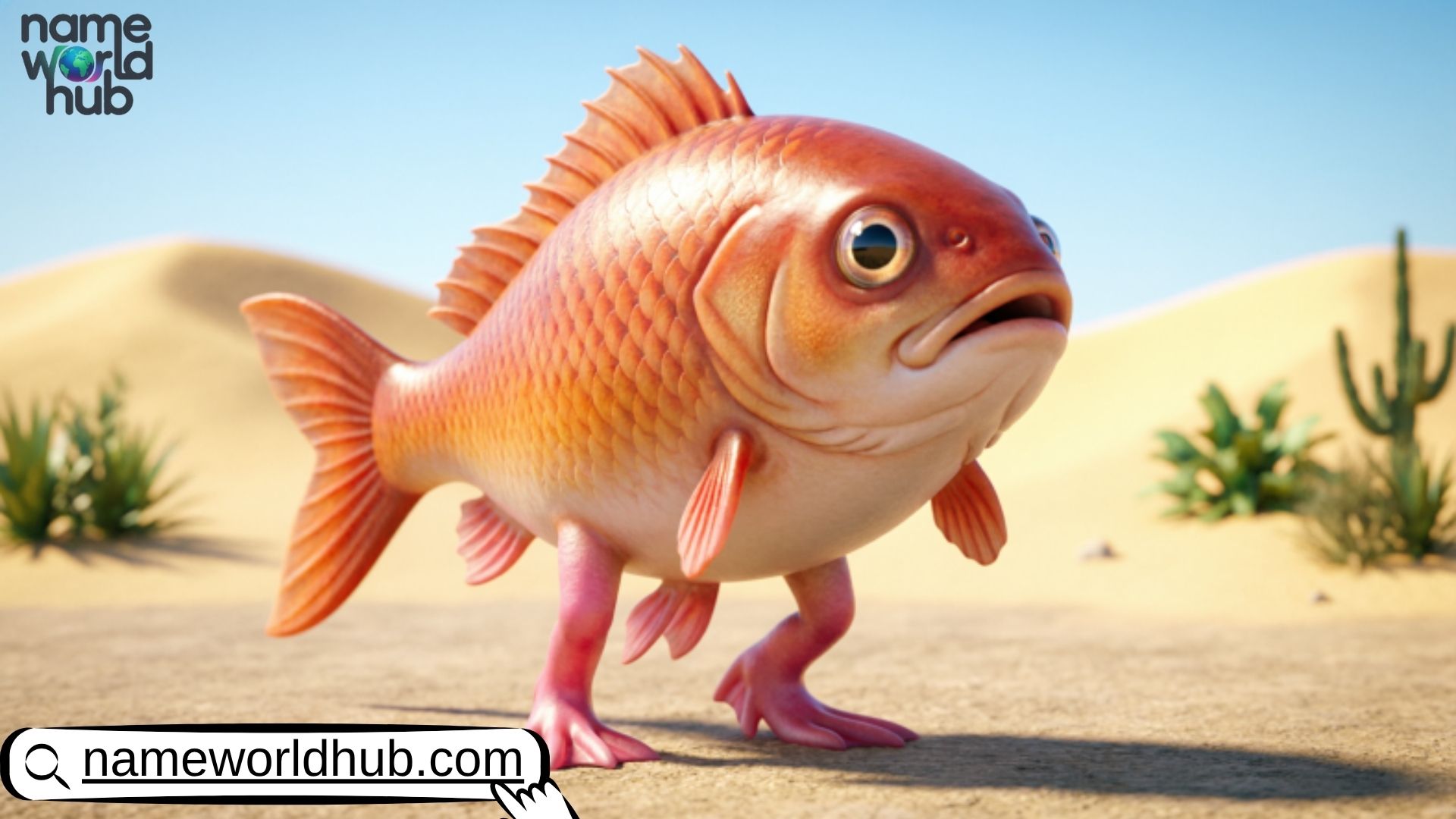
Fish with legs are some of the most fascinating animals in nature. They help scientists understand how life moved from water to land millions of years ago. These unusual creatures show important stages in evolution. Their story connects ancient fish to modern land animals. Learning about them gives us a better understanding of Earth’s history.
In this article, we will explore 20+ fish with legs and their evolutionary journey. Some species use their leg-like fins to walk along the bottom of rivers, lakes, or oceans. Others provide clues about how early vertebrates adapted to life on land. Their unique features make them interesting examples of survival and adaptation. Let’s discover these remarkable fish and the role they played in evolution.
20+ Popular Fish With Legs
Mudskipper
Mudskippers are unusual fish that spend a lot of time out of water. They use their strong fins to move across mud, sand, and mangrove areas. Their eyes sit on top of their heads, helping them spot predators. These fish are commonly found in tropical coastal regions.
They can breathe through their skin and the lining of their mouths when kept moist. This ability allows them to survive on land for extended periods. Mudskippers are known for their energetic movements and territorial behavior. They are often considered one of the best examples of fish adapting to life on land.
Walking Catfish
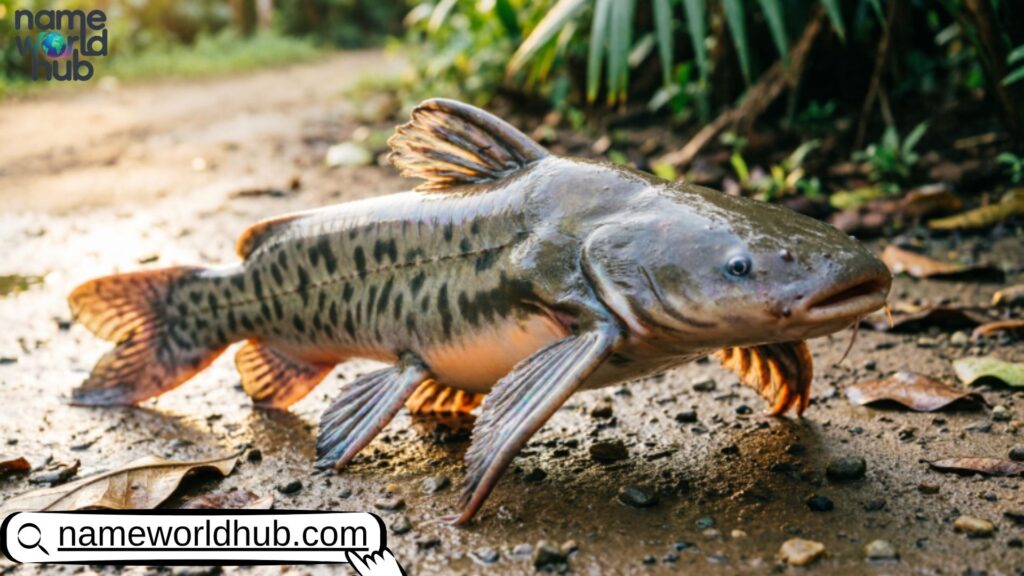
The walking catfish is famous for its ability to travel across land. It uses its fins and body to move between ponds and streams. This fish is native to parts of Asia and can survive in low-oxygen water. Its adaptability has helped it thrive in many environments.
Walking catfish have a special breathing organ that allows them to take in air. During dry conditions, they can leave one water source in search of another. Their movement on land gives them a unique advantage over many fish species. This behavior inspired their common name.
Axolotl
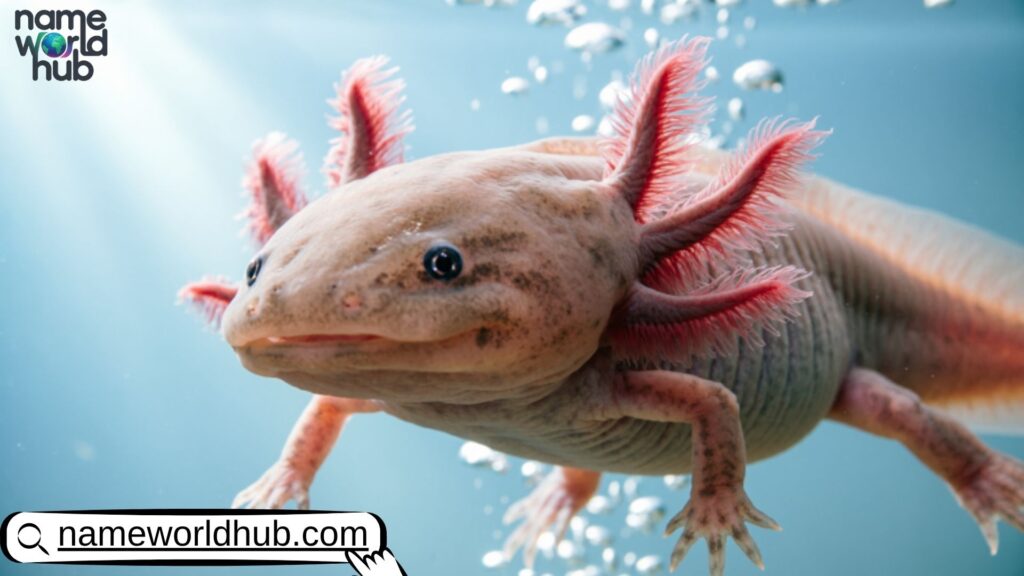
The axolotl is a fascinating aquatic animal often called the “walking fish,” although it is actually a salamander. It is known for its feathery external gills and permanent aquatic lifestyle. Axolotls are native to lakes around Mexico City. Their unusual appearance makes them popular worldwide.
One of the most remarkable features of the axolotl is its ability to regenerate body parts. It can regrow limbs, parts of its heart, and even sections of its spinal cord. Scientists study this species to learn more about healing and regeneration. Its unique biology continues to attract attention.
Lungfish
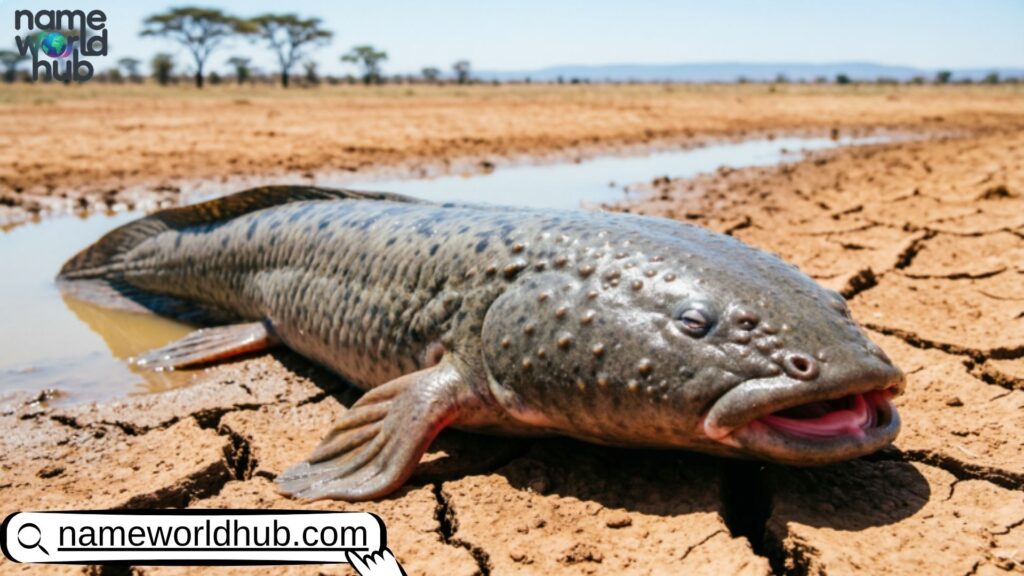
Lungfish are ancient fish that have existed for millions of years. They possess lungs that allow them to breathe air in addition to using gills. These fish are found in Africa, South America, and Australia. Their ability to survive in harsh conditions makes them special.
During droughts, some lungfish bury themselves in mud and enter a dormant state. They can remain inactive for long periods until water returns. This survival strategy helps them endure extreme environments. Lungfish provide important clues about the evolution of land animals.
Bichir
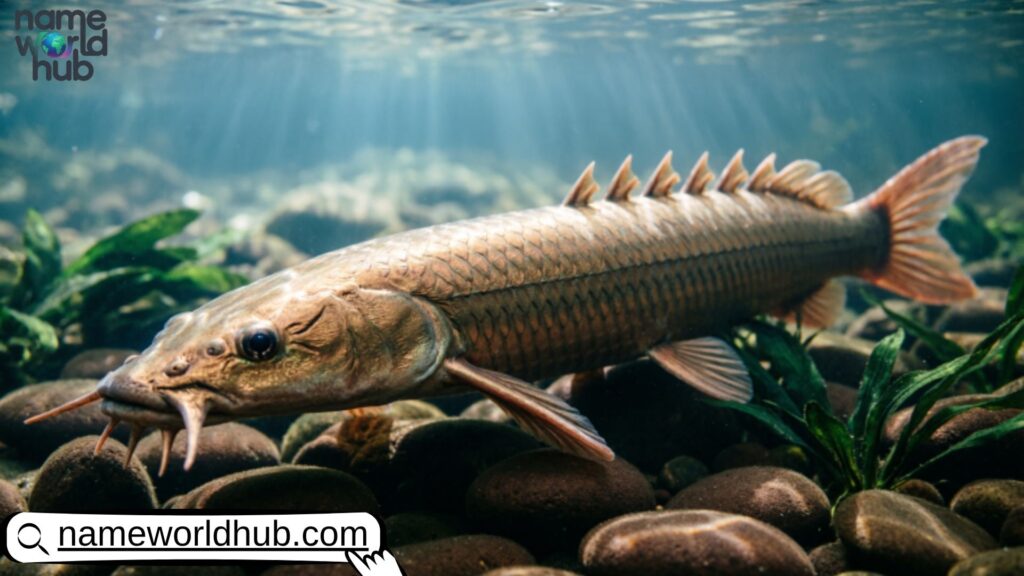
Bichirs are primitive fish with long bodies and strong fins. They are native to freshwater rivers and lakes in Africa. Their fins allow them to move along the bottom and even across damp surfaces. Bichirs have existed for a very long time in evolutionary history.
These fish can breathe atmospheric air using a lung-like organ. This adaptation helps them survive in waters with low oxygen levels. Bichirs are often kept in aquariums because of their unique appearance. Their prehistoric look fascinates many fish enthusiasts.
Climbing Perch
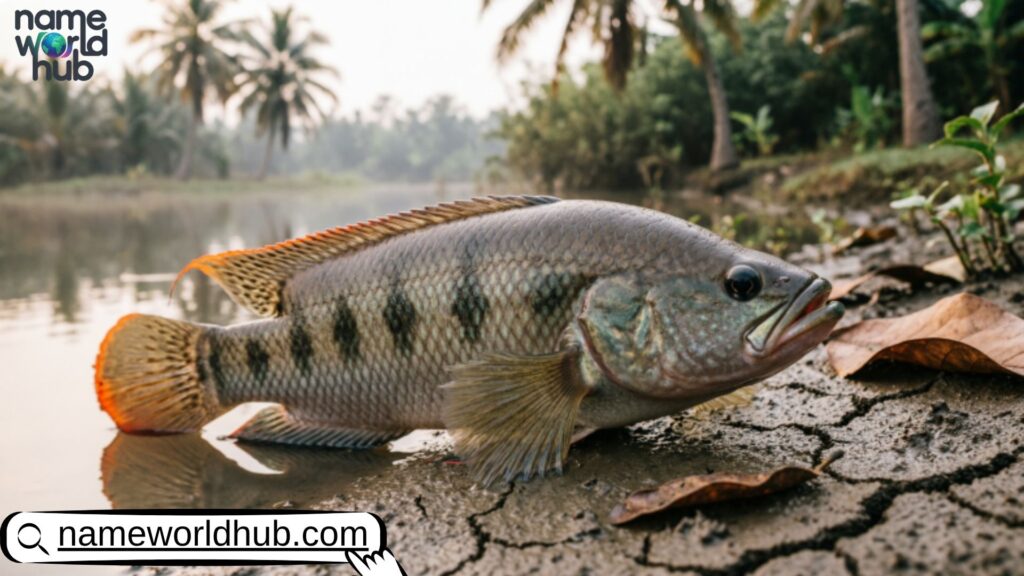
The climbing perch is known for its ability to move across land. It lives in freshwater habitats throughout South and Southeast Asia. This fish uses its fins and body to travel short distances. It often moves when searching for better living conditions.
Climbing perch can breathe air thanks to a special respiratory structure. This allows them to survive outside water for several hours. Their impressive mobility has made them well known among fish species. They are highly adaptable and resilient.
Rockskipper Fish
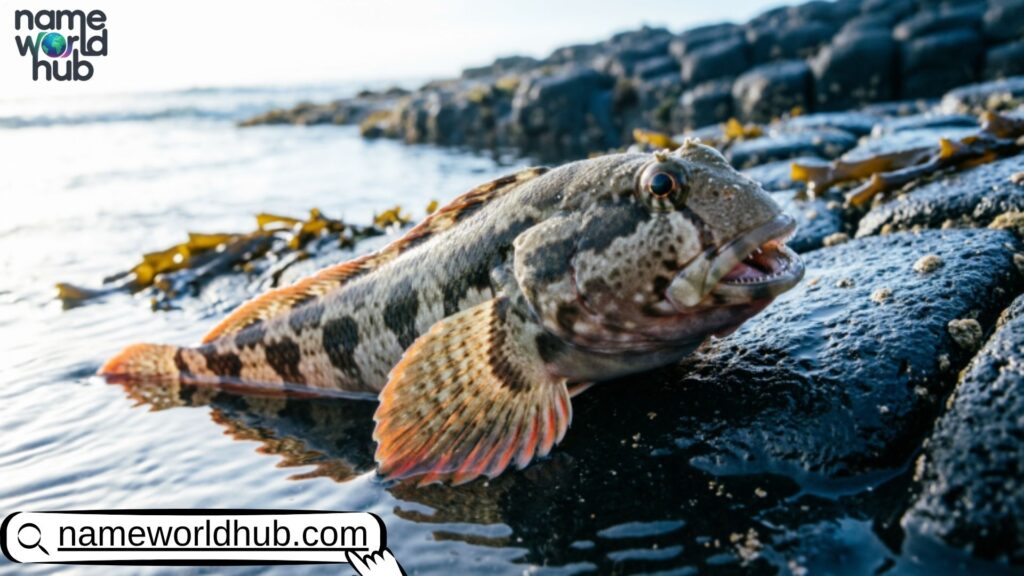
Rockskipper fish live in rocky coastal areas and tidal zones. They are skilled at hopping between rocks using their fins. Their behavior helps them avoid predators and find food. Rockskippers are commonly found near shorelines.
These fish spend significant time out of water during low tide. They can remain active while exposed to air. Their unique movements make them interesting to observe. Rockskippers demonstrate how some fish can adapt to changing environments.
Handfish
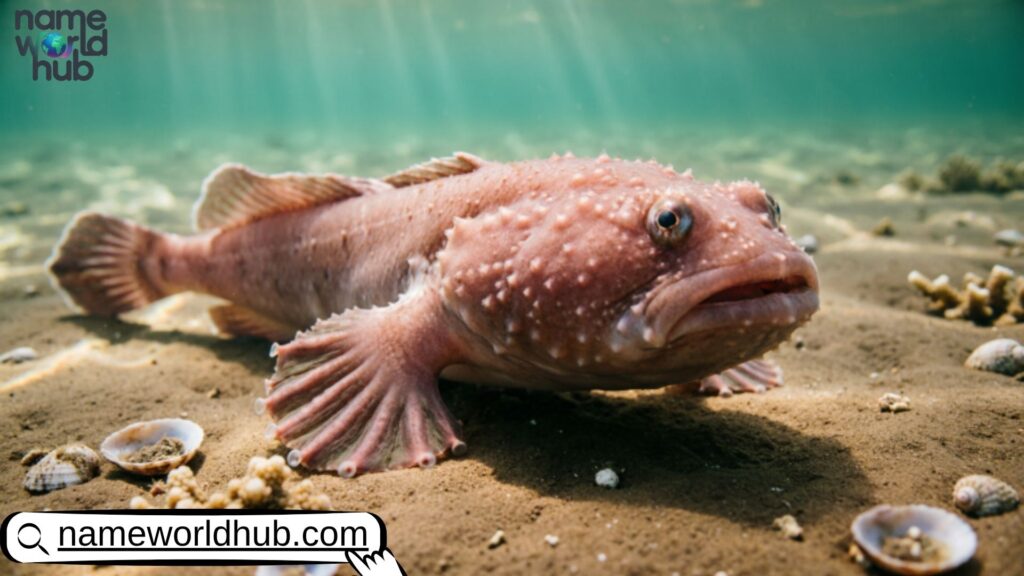
Handfish are rare marine fish found mainly around Australia. They have modified fins that resemble hands. Instead of swimming often, they use these fins to walk along the seafloor. This unusual movement sets them apart from most fish.
Handfish prefer shallow coastal habitats with sandy or rocky bottoms. Many species are considered endangered due to habitat loss. Conservation efforts are helping protect these unique animals. Their rarity makes them especially important to researchers.
Red Handfish
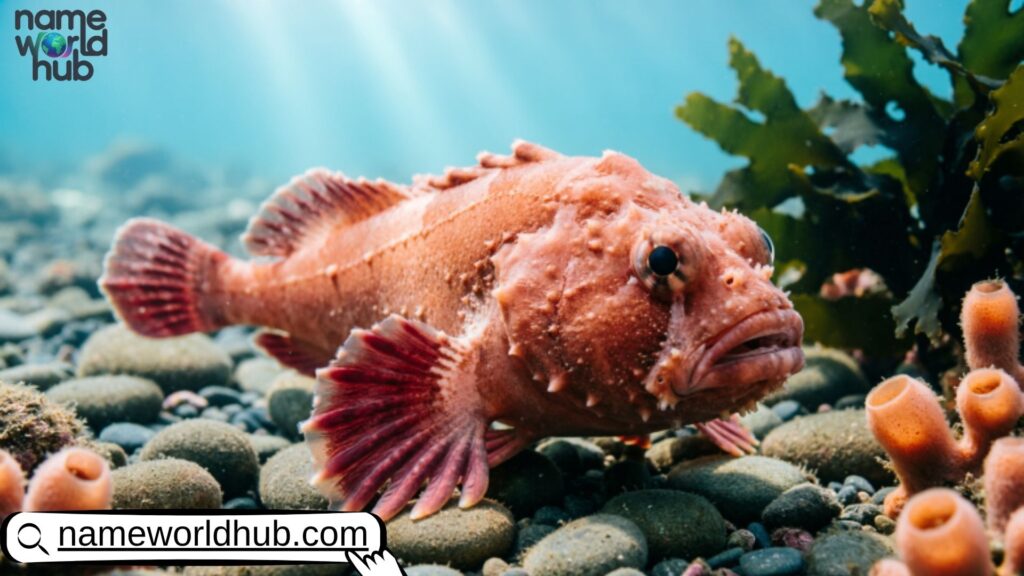
The red handfish is one of the rarest fish in the world. It has a bright red body and hand-like fins used for walking. This species is found in a limited area near Tasmania. Its small population has made conservation a priority.
Red handfish move slowly across the ocean floor while searching for food. They rely on healthy marine habitats to survive. Scientists closely monitor their numbers. Protecting their environment is essential for their future.
Spotted Handfish
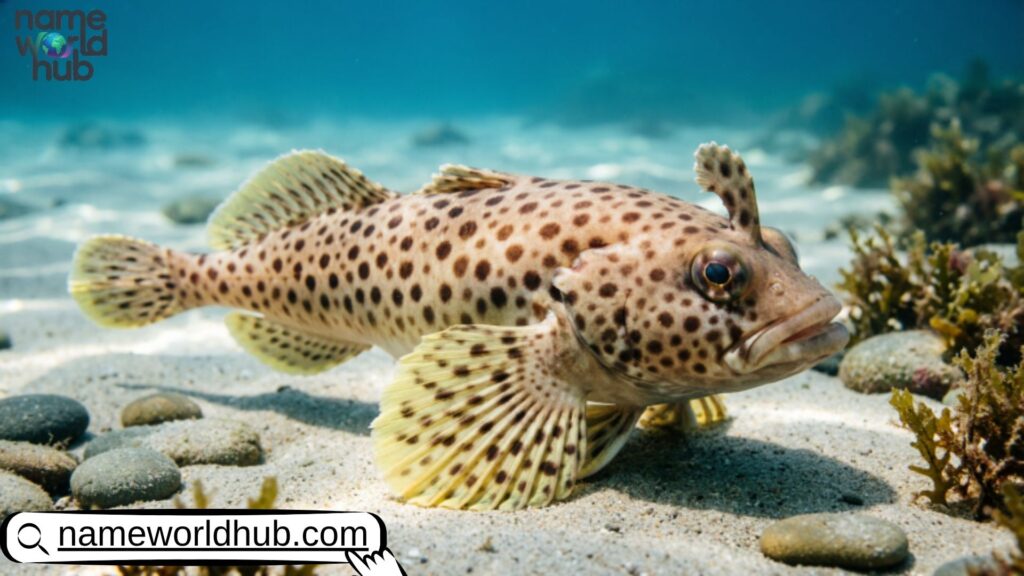
The spotted handfish is recognized by the dark spots covering its body. Like other handfish, it uses its fins to walk rather than swim. This species is native to waters around Tasmania. Its unusual appearance attracts scientific interest.
Habitat degradation has affected spotted handfish populations. Conservation programs focus on preserving breeding areas. These fish play an important role in local marine ecosystems. Continued protection is necessary for their survival.
Frogfish
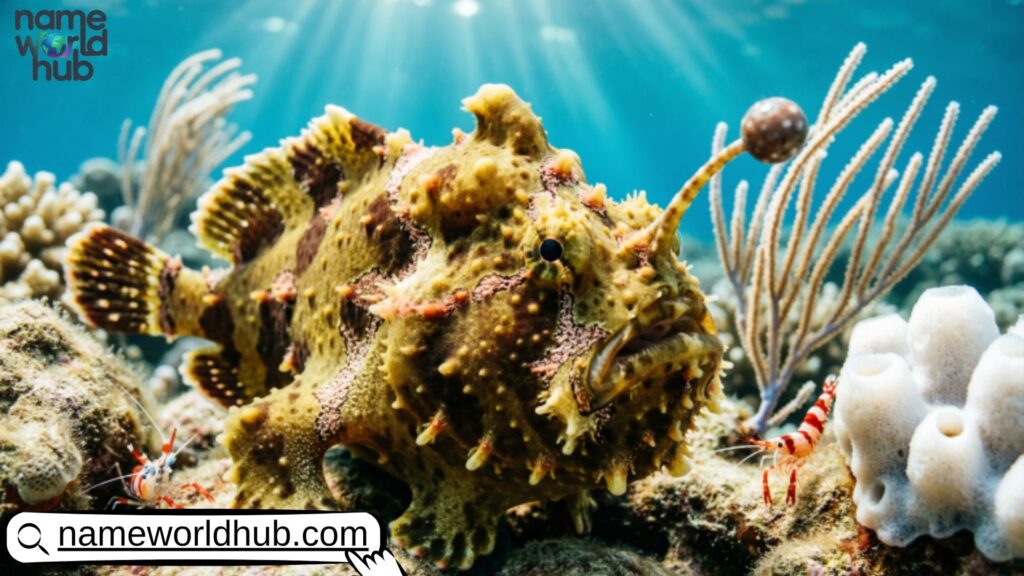
Frogfish are masters of camouflage found in tropical oceans. Their bodies often resemble sponges, rocks, or coral. Instead of swimming frequently, they use their fins to walk along the seabed. This helps them approach prey unnoticed.
Frogfish are ambush predators with impressive hunting skills. They can swallow prey almost instantly. Their ability to blend into surroundings makes them highly effective hunters. Many species display incredible color variations.
Batfish
Batfish are bottom-dwelling fish that use their fins to move across the seafloor. They are found in oceans around the world. Their flattened bodies and unusual appearance make them easy to recognize. Some species have distinctive facial features.
Rather than being strong swimmers, batfish often walk slowly while searching for food. They feed on small marine organisms and organic matter. Their lifestyle suits life on the ocean floor. These fish are both strange and fascinating.
Epaulette Shark
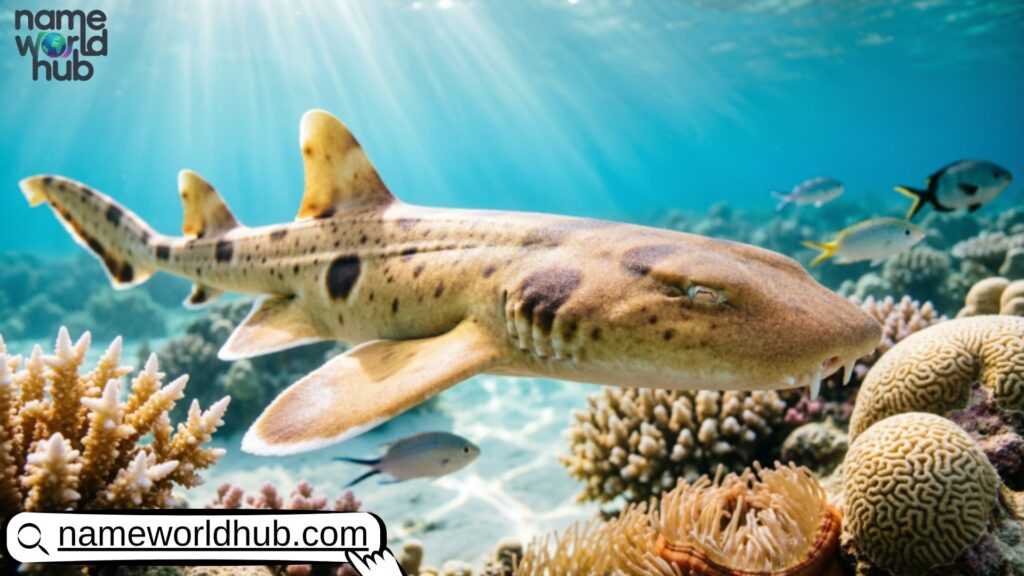
The epaulette shark is a small shark known for its ability to “walk.” It uses its fins to move across reefs and shallow waters. This species is commonly found near Australia and New Guinea. Its movements are surprisingly graceful.
Epaulette sharks can tolerate low oxygen conditions better than many other sharks. They sometimes cross exposed reef areas during low tide. This ability helps them reach new feeding grounds. Their behavior is unique among sharks.
Cave Angel Fish
Cave angel fish are adapted to life in dark underwater cave systems. They have evolved special traits that help them survive in low-light environments. Their movements are slow and careful. These fish are rarely seen by people.
Living in caves often means limited food resources. As a result, cave fish have developed efficient survival strategies. Their unusual habitats make them interesting subjects for scientific research. They highlight the diversity of aquatic life.
Mangrove Rivulus
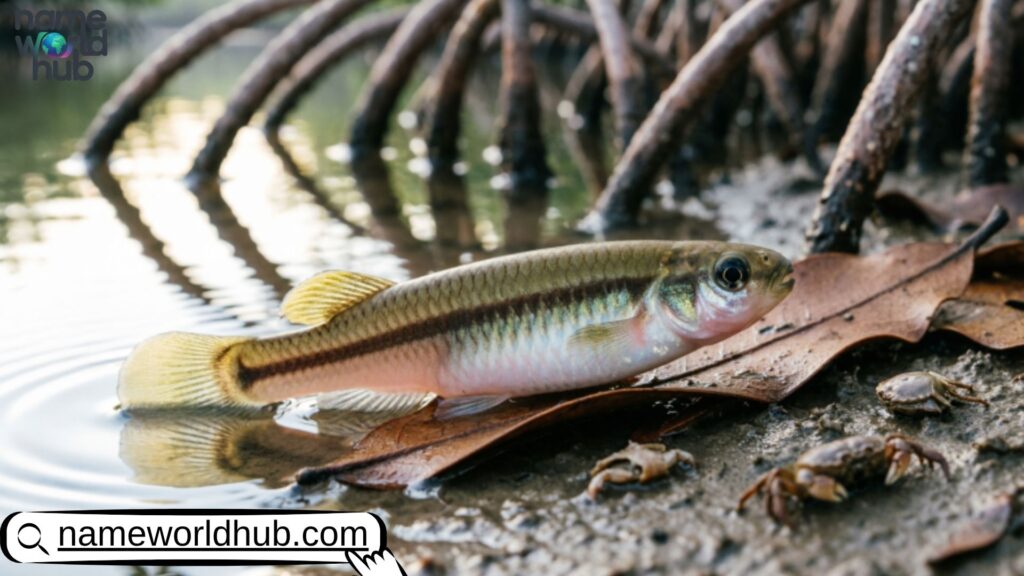
The mangrove rivulus is a small fish found in mangrove forests. It can survive both in water and in moist environments above water. This flexibility allows it to endure changing conditions. It is commonly found in tropical regions.
Mangrove rivulus can hide in logs, leaf litter, and other damp places. Their adaptability helps them avoid predators and harsh environments. Scientists study them because of their unique biology. They are remarkable survivors.
Reedfish
The reedfish has a long, eel-like body and belongs to the bichir family. It inhabits rivers and swamps in Africa. Strong fins help it move through vegetation and shallow waters. Its appearance resembles ancient fish species.
Reedfish can breathe air when necessary. This adaptation helps them survive in oxygen-poor habitats. They are popular among aquarium keepers due to their unusual look. Their behavior reflects ancient evolutionary traits.
Salamanderfish
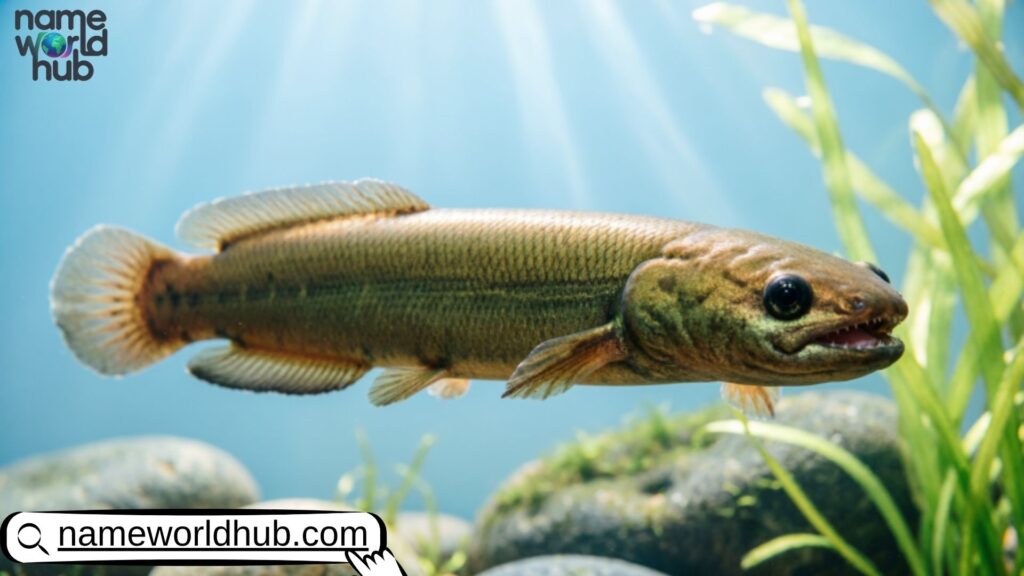
Salamanderfish are small fish native to Australia. They live in seasonal wetlands that may dry out for part of the year. Their ability to survive difficult conditions makes them unique. They are named for their salamander-like appearance.
When habitats become dry, salamanderfish can remain hidden in damp mud. This strategy helps them survive until water returns. Their resilience is impressive. These fish are well adapted to extreme environmental changes.
Australian Lungfish
The Australian lungfish is one of the oldest living fish species. It inhabits freshwater rivers in Australia. Unlike many fish, it can breathe air using a single lung. This characteristic links it to ancient evolutionary history.
Australian lungfish grow slowly and can live for many decades. They are protected because of their ecological importance. Researchers study them to understand vertebrate evolution. Their survival over millions of years is remarkable.
African Lungfish
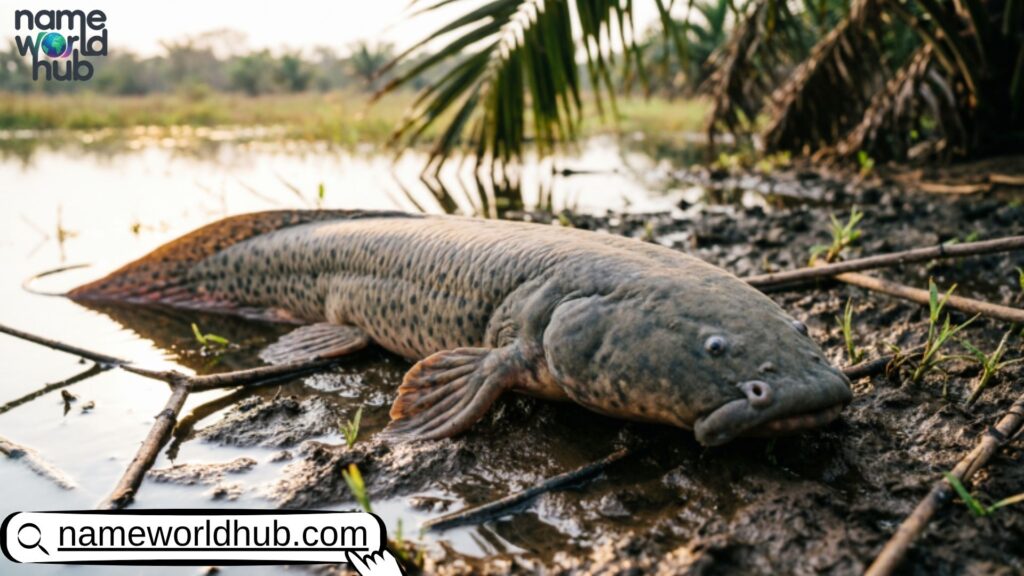
African lungfish are famous for surviving long droughts. They inhabit rivers, lakes, and wetlands across Africa. When water disappears, they burrow into mud and form a protective cocoon. This allows them to stay alive for extended periods.
These fish breathe air using well-developed lungs. Their survival abilities are among the most impressive in the animal kingdom. African lungfish provide valuable insights into adaptation and evolution. They are true masters of endurance.
South American Lungfish
The South American lungfish lives in freshwater habitats throughout South America. It relies on both gills and lungs for breathing. This flexibility helps it survive in changing environmental conditions. It is closely related to other lungfish species.
During dry seasons, the fish may remain inactive in muddy areas. This behavior conserves energy and moisture. Scientists consider lungfish important evolutionary species. They help explain the transition from water to land life.
Warty Frogfish
Warty Frogfish is a unique fish known for its rough, bumpy skin that helps it blend into coral reefs and rocky ocean floors. Instead of swimming long distances, it prefers to stay hidden and wait for prey to come close. Its camouflage makes it one of the most successful ambush predators in the sea. This fish can change its color to match its surroundings. As a result, it is often difficult to spot.
One of the most interesting features of the Warty Frogfish is the way it moves. It uses its modified fins almost like little legs to walk along the seabed. This unusual movement helps it explore small areas without attracting attention. The fish also has a lure on its head that resembles food for smaller fish. When prey approaches, it strikes with incredible speed and swallows it whole.
Red-lipped Batfish
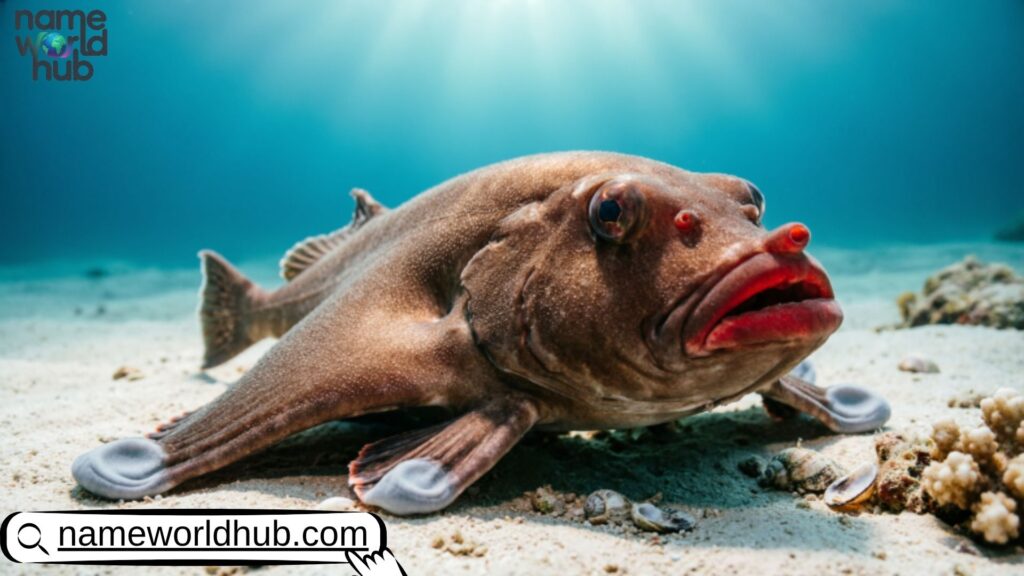
The Red-lipped Batfish is famous for its bright red lips, which make it one of the most recognizable fish in the ocean. It is mainly found around the Galápagos Islands and nearby waters. Unlike many fish, it is not a strong swimmer and spends most of its time on the ocean floor. Its unusual appearance has made it popular among marine life enthusiasts. The fish has a flat body and a distinctive shape.
Instead of relying on swimming, the Red-lipped Batfish uses its fins to move across the seabed. These fins work like legs, allowing it to walk slowly while searching for food. It feeds on small fish, crustaceans, and other marine creatures. Another interesting feature is a small lure-like structure on its head. Scientists believe this may help attract prey in the same way as some anglerfish species.
Snakehead Fish
Snakehead Fish are freshwater predators known for their long bodies and snake-like heads. They are found in parts of Asia and Africa, although some species have spread to other regions. These fish are highly adaptable and can survive in different environments. Their powerful jaws and sharp teeth make them effective hunters. They often feed on fish, frogs, and aquatic insects.
One remarkable ability of Snakehead Fish is that they can breathe air. This allows them to survive in low-oxygen water and even move short distances across land. They use their strong fins and body movements to travel between ponds or wetlands. This behavior has helped them thrive in changing environments. Because of their adaptability, some snakehead species are considered invasive in certain countries.
West African Lungfish
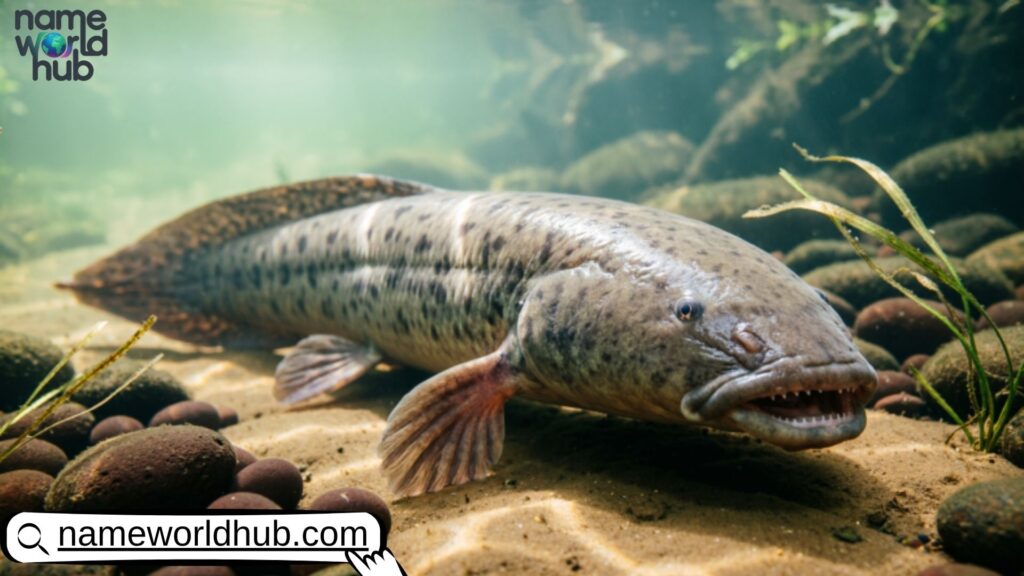
The West African Lungfish is an ancient fish species that has fascinated scientists for many years. It lives in rivers, swamps, and floodplains across West Africa. Unlike most fish, it possesses a lung-like organ that allows it to breathe air. This adaptation helps it survive during dry seasons when water levels become very low. It represents an important link in the story of vertebrate evolution.
When drought conditions occur, the West African Lungfish can bury itself in mud and enter a dormant state. During this period, it survives by breathing air until water returns. Its strong fins can also help it move along muddy surfaces. These features show how some fish developed traits that resemble those of early land animals. For this reason, the lungfish is often studied by evolutionary biologists.
Sea Robin
Sea Robin is a colorful bottom-dwelling fish found in oceans around the world. It is known for its wing-like pectoral fins and unusual appearance. These fins can spread out beautifully, giving the fish a striking look. Sea Robins usually live near sandy or muddy seabeds where they search for food. Their diet includes small crustaceans, worms, and other marine organisms.
A special feature of the Sea Robin is the presence of finger-like fin rays beneath its body. These structures act almost like legs and help the fish walk across the ocean floor. They can also sense vibrations and locate hidden prey. This combination of movement and sensory ability makes the Sea Robin highly effective at finding food. Its behavior provides an excellent example of how fish can adapt to life on the seabed.
West Indian Ocean Coelacanth
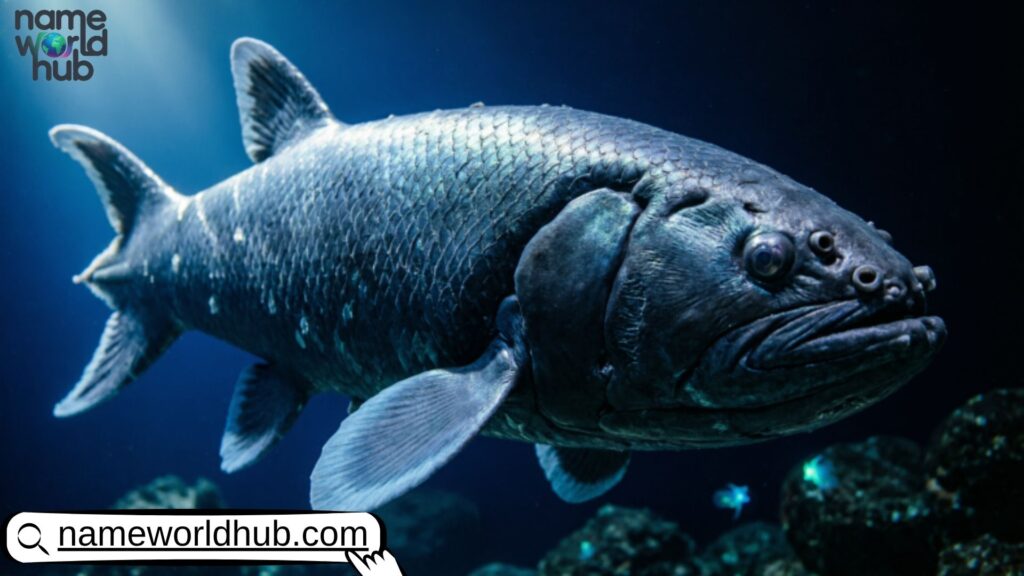
The West Indian Ocean Coelacanth is one of the most famous fish in the world because it was once believed to be extinct. Scientists rediscovered it in the twentieth century, creating great excitement in the scientific community. This rare fish lives in deep waters near islands in the western Indian Ocean. It has a distinctive body shape and large, fleshy fins. These fins resemble the limbs of early vertebrates.
The Coelacanth is often called a “living fossil” because it has changed very little over millions of years. Its lobed fins move in a way that resembles the walking motion of four-legged animals. This characteristic provides valuable clues about the evolution of life from water to land. Although it does not walk on land, its anatomy helps scientists understand how ancient fish may have eventually given rise to terrestrial vertebrates.
Chinese Hillstream Loaches
Chinese Hillstream Loaches freshwater machhliyan hain jo tez behne wale nadiyon aur pahari streams mein payi jati hain. Inka jism chapter aur streamlined hota hai, jis ki wajah se ye pathron se mazbooti se chipak sakti hain. Ye machhliyan zyada tar algae aur chhote aquatic organisms par ghiza hasil karti hain. Inki khaas body structure unhein strong water currents mein survive karne mein madad deta hai. Aquarium hobby mein bhi inki demand kaafi zyada hai.
Chinese Hillstream Loaches ko saaf aur oxygen se bharpoor pani ki zaroorat hoti hai. Ye aam tor par pur-aman machhliyan hoti hain aur dusri non-aggressive species ke sath rakhi ja sakti hain. Inki dekh bhal ke liye pani ka temperature aur quality maintain karna bohat zaroori hai. Ye ecosystem mein algae ko control karne mein aham kirdar ada karti hain. Inki unique shakal aur rawaiya unhein dilchasp aquatic creatures banata hai.
Polypterus Lapradei
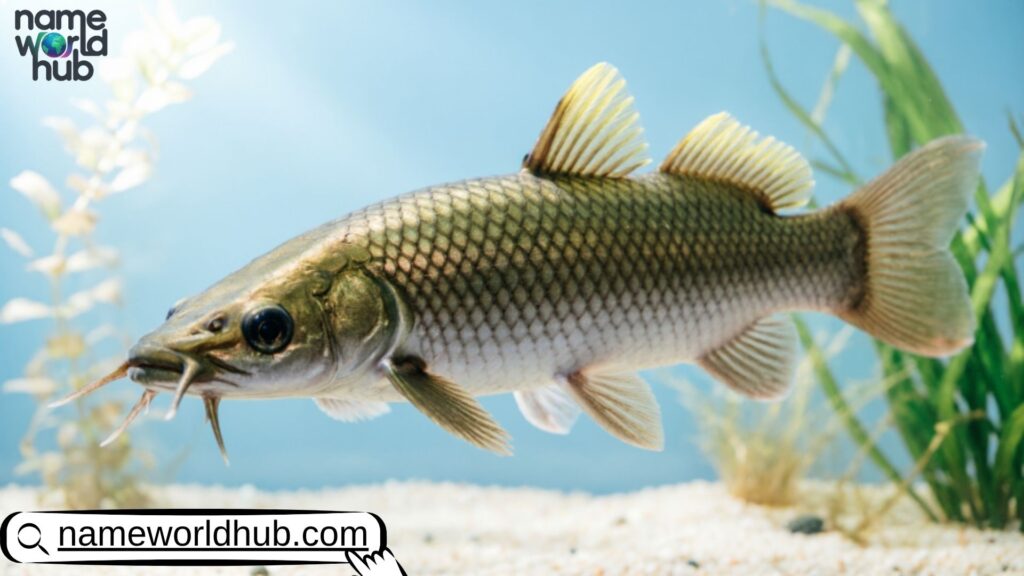
Polypterus Lapradei ek purani nasal ki freshwater machhli hai jo Africa ke daryai nizam mein payi jati hai. Is ka jism lamba aur mazboot hota hai, jabke ki peeth par chhote dorsal fins ki series hoti hai. Ye ek carnivorous species hai jo chhoti machhliyon aur aquatic janwaron ko khati hai. Is ki physical characteristics prehistoric machhliyon ki yaad dilati hain. Isi wajah se ise “living fossil” bhi kaha jata hai.
Polypterus Lapradei mein hawa se oxygen hasil karne ki bhi salahiyat mojood hoti hai. Ye khasiyat ise kam oxygen wale pani mein zinda rehne mein madad deti hai. Aquarium mein ke liye kafi jagah aur mazboot filtration system darkar hota hai. Ye zyada tar raat ke waqt mutaharrik rehti hai aur shikar talash karti hai. Is ki anokhi shakal aur qadeem nasli traits researchers aur fish keepers dono ki tawajjo hasil karte hain.
Mudskipper
Mudskipper ek ajeeb o ghareeb machhli hai jo pani ke sath sath zameen par bhi waqt guzar sakti hai. Ye zyada tar coastal mudflats aur mangrove ilaqon mein payi jati hai. Is ke pectoral fins ise zameen par chalne aur chhalang lagane mein madad dete hain. Mudskipper apni num skin aur gills ke zariye hawa se oxygen hasil kar sakti hai. Ye adaptation ise doosri machhliyon se mukhtalif banata hai.
Mudskippers aam tor par chhote insects, crustaceans aur organic matter par ghiza hasil karte hain. Ye apna ilaqa bachane ke liye dilchasp territorial behavior ka muzahira karte hain. Nar mudskippers breeding season mein burrows tayar karte hain jahan anday diye jate hain. Inki zindagi pani aur zameen ke darmiyan evolutionary adaptation ki behtareen misaal hai. Isi liye ye scientists ke liye bhi bohat ahmiyat rakhti hain.
Tiktaalik roseae
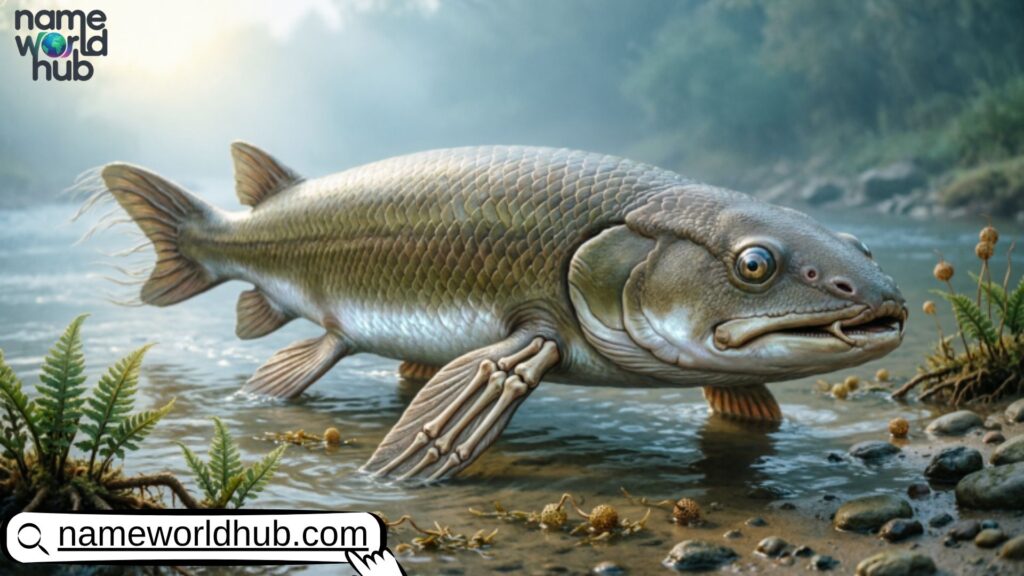
Tiktaalik roseae ek extinct vertebrate species thi jo taqreeban 375 million saal pehle zinda thi. Is ki fossil discovery ne janwaron ke pani se zameen ki taraf evolutionary safar ko samajhne mein bohat madad di. Tiktaalik mein machhli aur early tetrapods dono ki khasusiyat mojood thi. Is ke fins mein aise haddi ke structures thay jo bazuon se milte julte thay. Isi wajah se ise transitional fossil ke tor par pehchana jata hai.
Tiktaalik roseae ke paas gardan, mazboot ribs aur sar ko move karne ki salahiyat thi, jo aam machhliyon mein nahi payi jati. Ye kam gehrai wale pani aur daldali mahaul mein rehti thi. Is ki anatomy se maloom hota hai ke vertebrates kis tarah dheere dheere zameeni zindagi ke liye adapt huay. Fossils ne evolutionary biology mein aham saboot faraham kiye hain. Aaj bhi Tiktaalik roseae evolution ke mutaliq research ka ek bohat aham mawzu hai.
Panderichthys Rhombolepis
Panderichthys rhombolepis ek qadim machhli thi jo taqreeban 380 million saal pehle Devonian daur mein zinda thi. Is ka fossil zyada tar Latvia aur Russia ke ilaqon se mila hai. Yeh janwar pani mein rehta tha aur un makhlooqat mein shamil tha jo machhliyon se zameeni janwaron ki taraf irtiqa (evolution) ke aham marahil ko zahir karti hain.
Is ke jism ki banawat aam machhliyon se kuch mukhtalif thi, khaas tor par is ke mazboot fins jo baad mein tetrapods ke azaa ki tarah taraqqi kar gaye. Science ke mutabiq Panderichthys ne zameen par rehne wale janwaron ke irtiqa ko samajhne mein bohat aham kirdar ada kiya hai. Is ki daryaft ne evolution ke mutaliq qeemti maloomat faraham ki hain.
Red Gurnard
Red Gurnard ek samandari machhli hai jo Atlantic Ocean aur Mediterranean Sea ke paniyon mein payi jati hai. Is ka rang surkh ya narangi hota hai jo isay doosri machhliyon se numayan banata hai. Yeh zyada tar samandar ke nichlay hisson mein rehti hai aur choti machhliyon aur crustaceans ko khati hai.
Red Gurnard ki khas baat us ke bade pectoral fins hain jo isay samandar ki teh par chalne aur shikar talash karne mein madad dete hain. Yeh apni awaz nikalne ki salahiyat ki wajah se bhi mashhoor hai. Kai mumalik mein is machhli ko ghiza ke tor par bhi istemal kiya jata hai.
Spotted Handfish
Spotted Handfish duniya ki nadir tareen machhliyon mein se ek hai aur yeh zyada tar Australia ke Tasmania ilaqay ke qareeb payi jati hai. Is ka naam is liye rakha gaya kyun ke is ke fins hathon ki tarah lagte hain. Yeh tairne ke bajaye samandari teh par chalna pasand karti hai.
Is machhli ke jism par siyah dhabbay mojood hote hain jo ki pehchan hain. Maahireen ke mutabiq ki abadi bohat kam reh gayi hai aur yeh khatre se dochar species mein shamil hai. Is ki hifazat ke liye mukhtalif conservation programs chalaye ja rahe hain.
Climbing Gourami
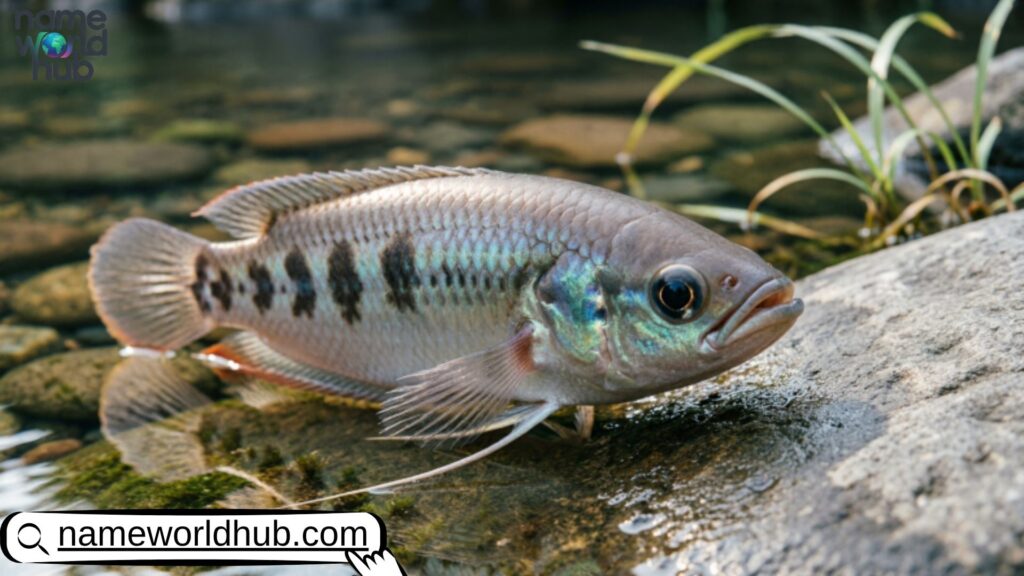
Climbing Gourami aik meethay pani ki machhli hai jo South aur Southeast Asia ke mukhtalif mulkon mein payi jati hai. Yeh daldali ilaqon, talaboon aur dheemi raftaar wale pani mein rehti hai. Is machhli ki khas salahiyat yeh hai ke yeh kuch waqt ke liye pani se bahar bhi zinda reh sakti hai.
Climbing Gourami ke paas ek khaas labyrinth organ hota hai jo isay hawa se oxygen hasil karne mein madad deta hai. Yeh apne mazboot fins ki madad se nami wali zameen par thora fasla tay kar sakti hai. Isi anokhi khasiyat ki wajah se yeh machhli science aur aqdaar-e-fitrat ke shoqeen afrad ki tawajjo ka markaz bani rehti hai.
Frequently Asked Questions
What are fish with legs called?
Fish with legs are often called “transitional species” or lobe-finned fish that show traits between fish and early land animals. They are important in studying evolution.
Do fish with legs really exist today?
Yes, a few species like the mudskipper and lungfish can use fin-like limbs to move on land for short distances.
How did fish evolve legs over time?
Over millions of years, some fish developed stronger fins that slowly turned into limb-like structures to survive in shallow water and land.
Why did some fish develop legs?
They developed legs mainly to survive in low-water environments and to find food or escape predators on land.
Are lungfish considered fish with legs?
Yes, lungfish are often studied because they have strong fins and can breathe air, showing early steps toward land movement.
Can mudskippers walk on land?
Mudskippers can “walk” and jump on land using their strong fins, but they still need water to survive.
What is the most famous fish with leg-like fins?
The coelacanth is one of the most famous ancient fish with limb-like fins that resemble early stages of legs.
Did fish directly turn into humans?
No, humans did not come directly from fish, but both share a very ancient common ancestor in evolution.
Where do fish with legs live today?
They are mostly found in shallow waters, swamps, mangroves, and muddy coastal areas.
Why are fish with legs important in evolution studies?
They help scientists understand how life moved from water to land and how vertebrates evolved over time.
Conclusion
The story of fish with legs is one of the most fascinating chapters in evolution. These remarkable creatures show how some ancient fish gradually developed stronger fins and limb-like structures, helping them move in shallow water and eventually on land. Their adaptations reveal the important steps that connected aquatic life to the first land-dwelling animals.
Studying more than 20 fish species with leg-like features helps scientists understand how life changed over millions of years. From mudskippers to ancient transitional fossils, each species provides clues about survival, adaptation, and environmental change. Their evolutionary journey highlights the incredible diversity of life and the ongoing process of evolution that continues to shape living organisms today.
